Combined Insurance Updates for 2026: What Every Kenyan Needs to Know Before Buying Insurance
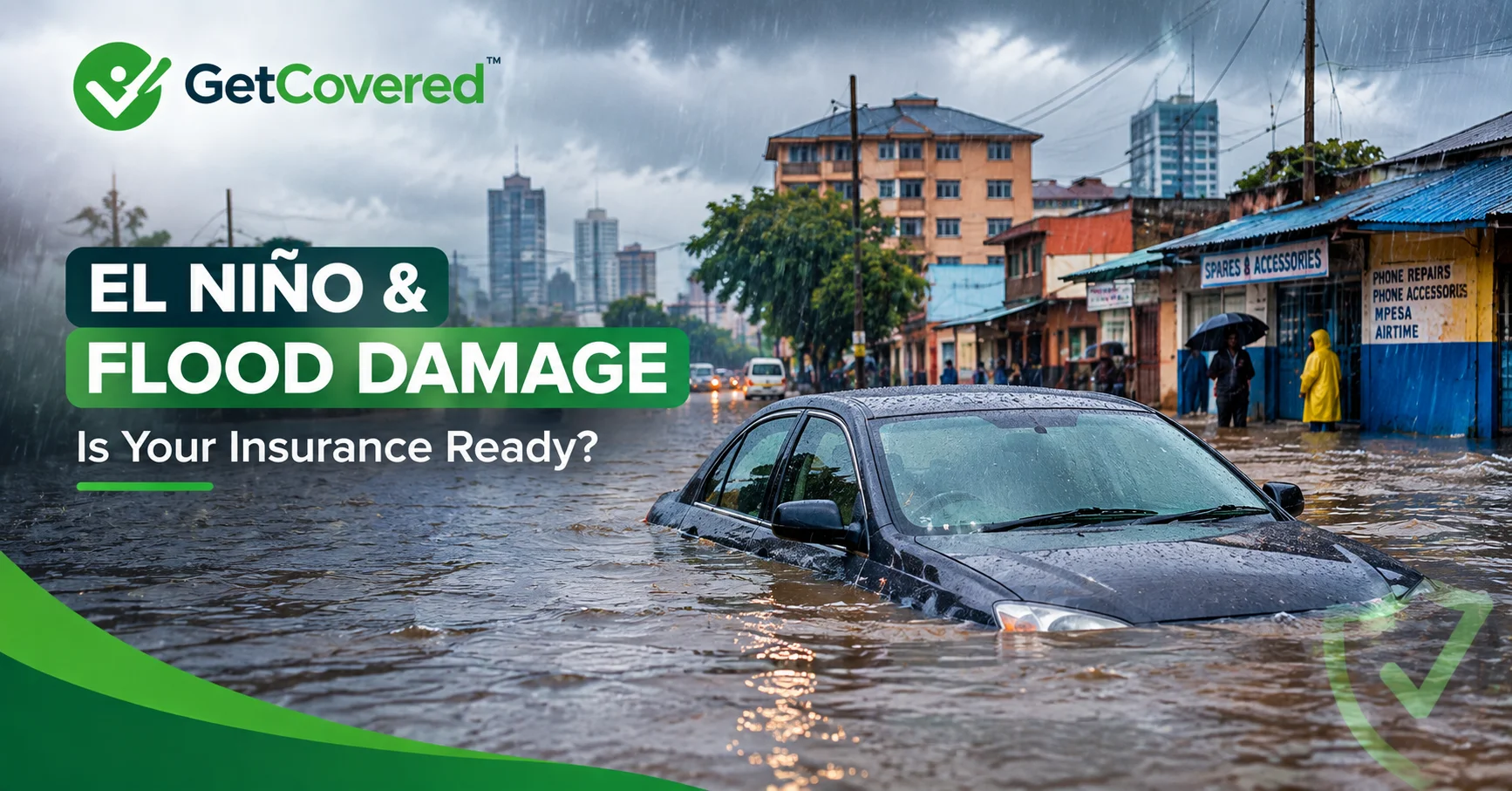
At 6:40 a.m. on Nairobi’s Waiyaki Way, Peter Mwangi watched helplessly as a boda boda rider skidded into the rear of his car following a sudden downpour. While the visible damage appeared minor, the repair estimate was anything but the garage quoted KSh 184,000. Peter initially assumed his insurance would settle the claim immediately, only to realize that understanding the nuances of a policy is just as vital as paying the premium.
Peter’s experience is far from unique.
This scenario has played out thousands of times across Kenya this year, highlighting a critical shift in the financial landscape.
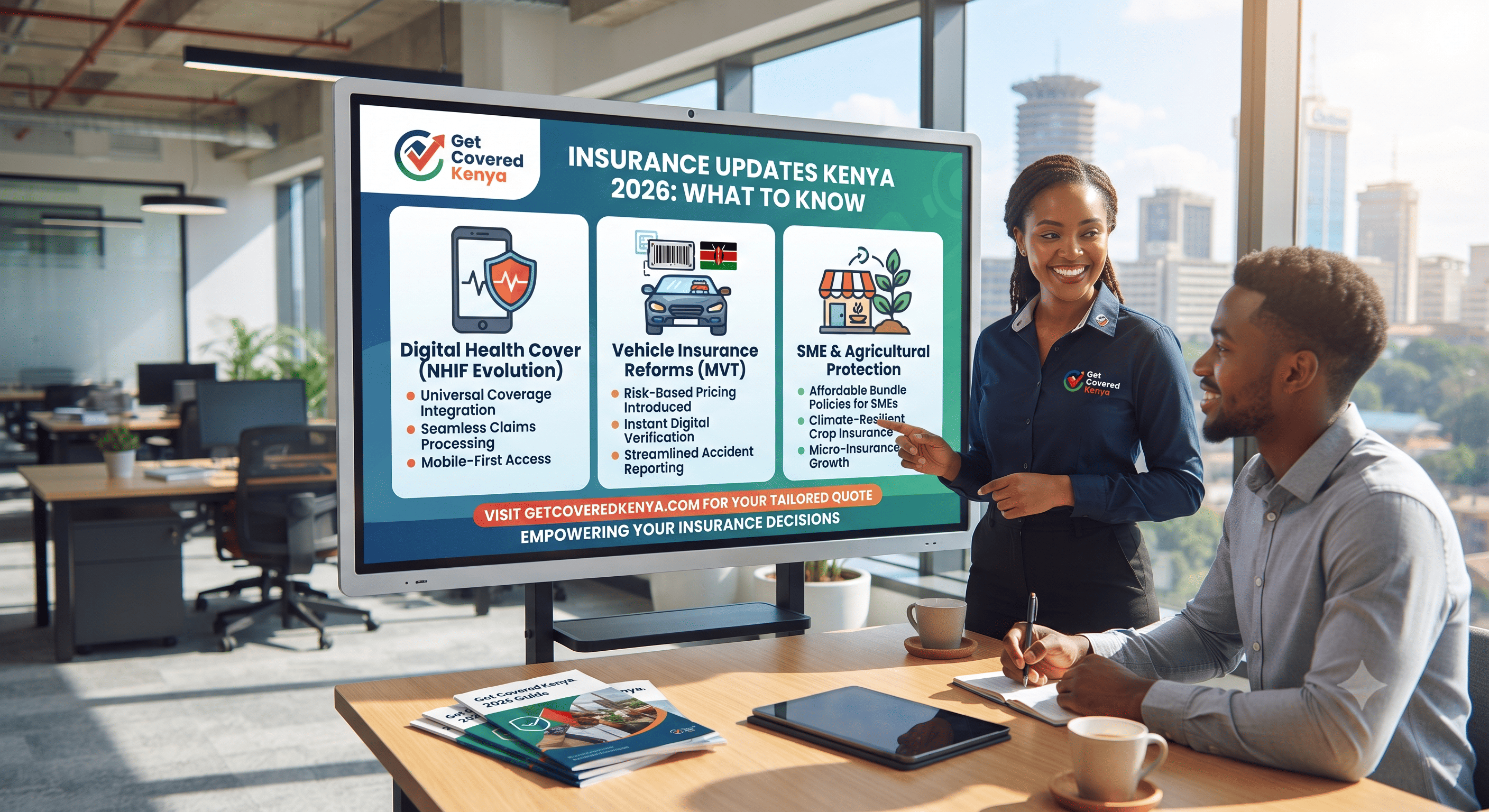
In 2026, the insurance industry underwent a significant transformation, characterized by the introduction of innovative products, expanded digital services, more affordable coverage, and increased regional investment. These advancements offer consumers more choices and flexibility than ever before.
Staying informed about these changes isn’t just about industry news it’s a move that could save you thousands of shillings.

Why the 2026 Insurance Updates Matter
Insurance is a cornerstone of financial security for every Kenyan family, yet the costs of being unprotected are staggering.
• A single hospital admission can easily exceed KSh 350,000.
• Serious road accident repairs often surpass KSh 500,000.
• Replacing stolen business inventory frequently costs several hundred thousand shillings.
The persistent challenge is that many consumers still prioritize the lowest price over comprehensive protection.
However, the developments of 2026 demonstrate that insurers are now competing through superior accessibility and digital integration.
Modern policies are increasingly designed to meet the needs of ordinary Kenyans and small businesses rather than focusing solely on large corporations.
Major Insurance Developments of 2026
Several key trends have fundamentally redefined the direction of Kenya's insurance sector:
1. The Rise of Affordable Microinsurance
Insurers have launched specialized products tailored for farmers, market traders, boda boda riders, and SMEs. With low-cost annual premiums, these products allow informal sector workers to access formal protection for the first time, effectively closing a major protection gap in the country.
2. Accelerated Digital Claims Processing
The industry has moved toward a "digital-first" approach. Most insurers now empower customers to submit claims online, upload accident photos directly from the scene, track progress in real-time via mobile apps, and pay premiums instantly through M-Pesa. This transition is rapidly making cumbersome paperwork a thing of the past.
3. Regional Expansion and Enhanced Stability
Kenyan insurers have aggressively expanded across East Africa and into international markets. This regional footprint allows companies to diversify their risk and innovate more effectively. For the consumer, this translates to improved service delivery and greater financial stability from their providers.
4. Focus on Financial Inclusion
Providers are prioritizing underserved groups, including women-owned businesses, youth entrepreneurs, and small-scale farmers. By lowering entry barriers with reduced premiums, insurance is becoming a tool for empowerment rather than an elite luxury.
Key Products Dominating the Conversation
Health insurance remains the primary focus as medical inflation continues to rise. Families are now proactively comparing policies to ensure they have coverage before a medical crisis occurs. Similarly, motor insurance has seen a surge in interest as road congestion and the rising cost of spare parts drive motorists to seek better value.
Additionally, travel insurance has become a staple for students and business travelers, while SMEs are increasingly adopting business interruption and cyber protection coverage to safeguard against modern threats.
The Cost of Being Uninsured: A Reality Check
|
Situation |
Estimated Out-of-Pocket Cost |
|---|---|
|
Minor Vehicle Accident |
KSh 80,000 |
|
Major Vehicle Repairs |
KSh 450,000 |
|
Private Hospital Admission |
KSh 350,000 |
|
Business Fire Damage |
KSh 1.5 Million |
|
House Burglary Losses |
KSh 300,000 |
|
Overseas Medical Emergency |
KSh 2 Million+ |
These figures underscore why financial planners advocate for robust insurance as the foundation of any long-term investment strategy.
The Digital Revolution in Insurance
As Kenyans integrate mobile money into every aspect of daily life, insurers have followed suit. Modern consumers now expect seamless digital experiences, from instant quote comparisons to immediate accident reporting. These digital platforms do more than just add convenience they significantly reduce fraud by creating transparent, electronic audit trails for every claim.
Essential Advice for First-Time Buyers
While price is important, the cheapest policy often proves most expensive in the long run. When evaluating coverage, prioritize the following questions:
• What specific risks are covered and what are the exclusions?
• How much is the "excess" (deductible) you must pay during a claim?
• Which hospitals or garages are in the insurer's provider network?
• What is the insurer's reputation for claim settlement speed and fairness?
Strategic Recommendations from the Experts
Financial expert Warren Ingram, author of *Become Your Own Financial Advisor*, emphasizes that households should protect themselves against catastrophic losses before focusing on wealth creation. In Kenya, advisors recommend an annual insurance audit to ensure your coverage evolves alongside your life milestones, such as marriage, property acquisition, or business expansion.
What do financial experts recommend?
Institutional Guidance for Consumers
The Insurance Regulatory Authority (IRA) advises consumers to verify licensed insurers and understand their legal rights before purchase. Meanwhile, the Association of Kenya Insurers (AKI) provides resources to compare products and demystify claim procedures. Collectively, institutions like the Central Bank of Kenya continue to promote financial literacy, encouraging the parallel growth of emergency funds and insurance protection.
Secure Your Future Today
A single unforeseen event shouldn't erase years of hard work. Visit **GetCovered Kenya** to compare motor, health, life, and business insurance from the country’s leading providers and find a plan that fits your budget and lifestyle.
Frequently Asked Questions
1. What is the biggest insurance update in Kenya during 2026?
Affordable microinsurance and digital insurance services became some of the most significant developments, helping more Kenyans access insurance.
2. Has buying insurance become easier?
Yes.
Many insurers now allow customers to purchase policies, renew covers and submit claims using mobile phones.
3. Which insurance should a young professional buy first?
Experts generally recommend starting with health insurance, followed by motor insurance if you own a vehicle, then life insurance if others depend on your income.
4. Why should I compare insurance policies?
Policies differ in benefits, exclusions, claim limits and customer service.
Comparing them helps you avoid unpleasant surprises during claims.
5. How often should I review my insurance?
Review your insurance at least once every year or whenever major life events occur, such as marriage, buying property or starting a business.
Final Thoughts
The insurance landscape of 2026 is defined by accessibility, affordability, and digital innovation. Protection that was once out of reach is now available to more Kenyans than ever. Don’t wait for a crisis to understand your policy take a proactive step today to ensure your family’s financial resilience matches the modern world.